What is Print Inspection and Why is it Important?
In the fast-paced world of printing, "Print Inspection" is a vital process. It ensures quality and accuracy in printed materials. According to a recent industry report, over 25% of printing errors occur during the production phase. This highlights the necessity of effective inspection methods.
Print Inspection encompasses various techniques to check the integrity and clarity of prints. From barcode verification to color matching, these processes play a crucial role in maintaining standards. In a market where 90% of consumers notice print quality, brands cannot afford to overlook this aspect. Flaws in packaging or labels can lead to significant financial losses.
However, many companies still struggle with outdated inspection systems. Reliance on human oversight can lead to oversights. This gap represents an opportunity for advancement in technology. Investing in automated Print Inspection systems can reduce errors by up to 70%. By reflecting on current practices, the industry can embrace innovative solutions for improved quality control.
What is Print Inspection?
Print inspection is a critical process in the printing industry. It ensures that printed materials meet quality standards. With the rise of digital printing technologies, the need for effective inspection methods has grown significantly. Studies show that nearly 30% of printed products can have defects if not properly monitored.
Implementing efficient print inspection helps reduce waste. It can save companies up to 15% on production costs. For instance, a small misalignment can lead to significant issues, affecting the final product. Frequent checks during production can catch flaws early, preventing costly reprints.
Tip: Consider using automated inspection tools. They can enhance accuracy and save inspection time. Also, train your staff regularly to spot common printing errors. A well-trained eye is still invaluable. Remember, even small mistakes can lead to big problems down the road. Regular reviews of inspection processes can reveal areas needing improvement.
Ultimately, embracing print inspection is essential in today's competitive landscape. Quality assurance keeps customer satisfaction high. Striving for perfection in every print can set a business apart from the competition. In the end, accountability in print quality drives long-term success.
Print Inspection Quality Metrics
The Key Components of Print Inspection Systems
Print inspection systems are crucial for maintaining quality in manufacturing. These systems focus on examining printed materials for errors. They help ensure the final product meets standards and consumer expectations. According to a report by Smithers Pira, the print inspection market is expected to grow by 6.2% annually. This growth highlights the increasing importance of quality control in the printing industry.
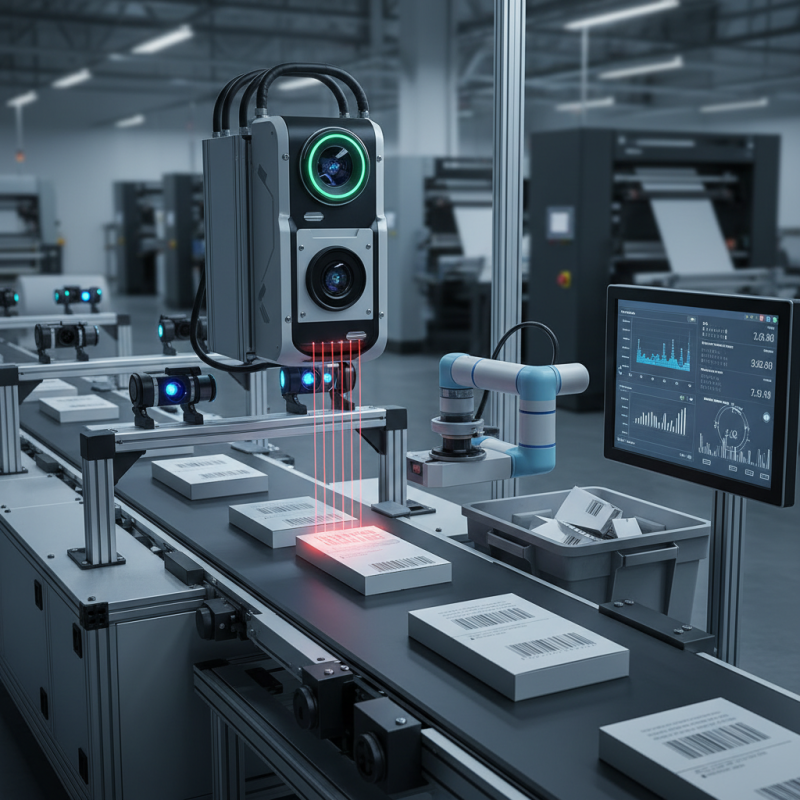
Key components of print inspection systems include camera technology and software algorithms. High-resolution cameras capture images of printed materials. This allows for real-time detection of defects like misprints or color variations. Advanced software analyzes these images, ensuring accuracy and precision. However, there are challenges. Cameras might miss subtle defects, leading to quality issues. A study by the Quality Assurance Association noted that up to 15% of defects may go undetected if systems are not calibrated correctly.
Moreover, integration with production lines can be complex. Many companies struggle with implementing effective inspection systems. A report from the Printing Industries of America found that 30% of businesses face significant hurdles in adopting advanced inspection technologies. This raises questions about investment and the potential for missed quality opportunities. Thus, while print inspection is vital, its implementation requires careful consideration.
What is Print Inspection and Why is it Important? - The Key Components of Print Inspection Systems
| Component | Description | Importance |
| Camera Systems | High-resolution cameras that capture print quality images. | Essential for detecting defects and ensuring print quality. |
| Software Algorithms | Advanced algorithms that analyze images for errors. | Automates inspection process, increasing efficiency and accuracy. |
| Lighting Systems | Configured to provide optimal lighting conditions for image capture. | Crucial for reducing shadows and enhancing defect visibility. |
| User Interface | Dashboard or control panel for operators. | Facilitates easy monitoring and control of inspection processes. |
| Data Logging | Collects and stores inspection data for analysis. | Important for quality assurance and continuous improvement. |
| Integration Capabilities | Ability to integrate with other production systems. | Ensures seamless workflow and enhances operational efficiency. |
The Importance of Print Quality in Various Industries
Print quality holds significant value across various industries. In packaging, clear visuals attract consumers. Faded colors or blurry text can negatively impact sales. A well-printed package conveys professionalism. It can distinguish a brand in a crowded market. Simply put, quality can make or break a product’s success.
In the publishing sector, print inspection is crucial. Readers expect readability and visual appeal. Errors in books or magazines reflect poorly on the publisher. Imagery should enhance the reading experience, not detract from it. Even minor mistakes can disrupt the flow of a narrative. This calls for rigorous quality checks to ensure that every printed page meets high standards.
Not all print jobs are flawless. Some may have uneven ink distribution or smudges. These imperfections can go unnoticed but affect overall perception. Each printed piece should be treated with care to uphold brand integrity. Continuous improvement in print quality is essential, even in established companies. Engaging in consistent inspection fosters trust with consumers and clients alike.
Common Challenges in Print Inspection Processes
Print inspection is crucial for maintaining quality in printed materials. However, the process often encounters common challenges. One major issue is consistency. Variations in ink, paper quality, and printing speed can lead to discrepancies in output. Operators may overlook subtle flaws during inspections, affecting the final product.
Communication among team members is another challenge. Misunderstandings can arise regarding inspection criteria. This can result in inconsistent practices and errors. Clear documentation of standards is essential but often neglected.
Tip: Regular training sessions can bridge gaps in communication. Encourage team members to share insights. Implementing a feedback loop can help identify common issues.
Equipment malfunctions can disrupt the print inspection workflow. Maintenance is sometimes overlooked, leading to unexpected breakdowns. These interruptions can delay production and impact deadlines. Keeping a proactive maintenance schedule is vital.
Tip: Integrate technology that provides real-time monitoring. This helps catch problems before they escalate. Having backup systems can also mitigate downtime.
Future Trends in Print Inspection Technology
Print inspection technology is evolving rapidly. It plays a crucial role in ensuring quality and consistency in printed materials. As digitalization takes hold, traditional methods struggle to keep up. The integration of artificial intelligence and machine learning is a game-changer. These technologies enhance accuracy and speed in identifying defects.
New trends focus on real-time monitoring. This allows printers to catch issues as they occur. The rise of smart sensors is significant. They can detect color variations and misalignments, significantly reducing waste. However, there are still challenges. Systems can produce false positives, leading to unnecessary interruptions in production. Manufacturers need to refine these systems to improve reliability.
Sustainability is also becoming a priority. Eco-friendly materials can be combined with advanced inspection tools. This not only helps the environment but also meets consumer demand for sustainable practices. Innovations like remote monitoring are emerging. They offer operators insights from anywhere, increasing efficiency. Yet, transitioning to these advanced tools can be daunting for some. It requires investment and training.
The path forward is filled with opportunities, but the journey will demand adaptation and resilience.
