How to Ensure Quality in Offset Printing Inspection Processes?
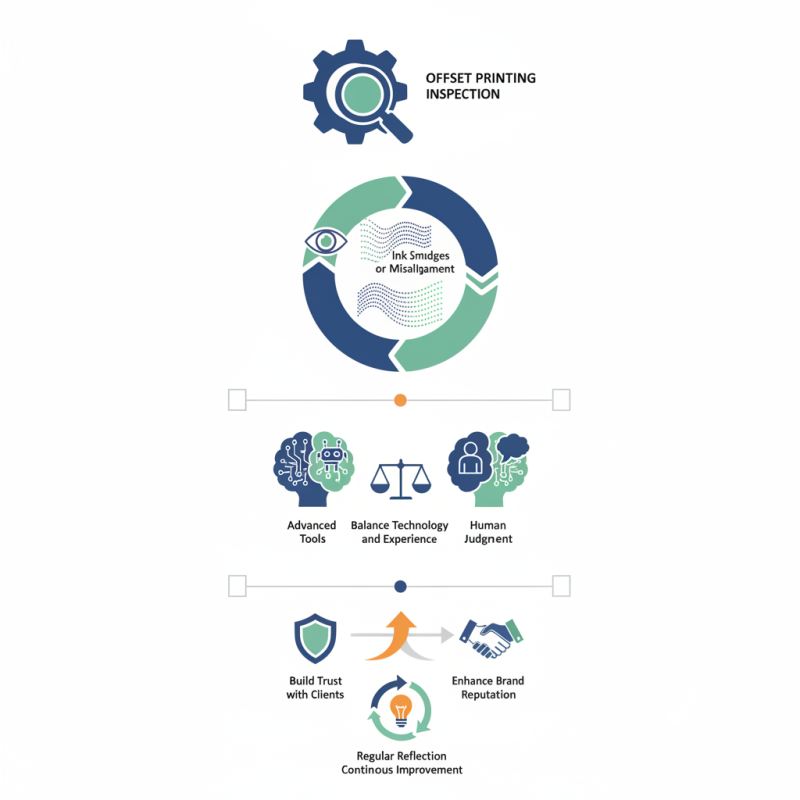
Offset Printing Inspection is a critical aspect of the printing industry. It ensures that the final product meets quality standards. In this process, attention to detail is paramount. A minor oversight can lead to significant issues. Ink smudges or misalignment may seem trivial but can impact customer satisfaction greatly.
Quality assurance in offset printing demands expertise. Professionals in this field must understand various printing technologies. They should be trained to identify inconsistencies. Utilizing advanced tools can enhance accuracy in inspections. However, relying too heavily on technology can lead to oversight. Human judgment remains invaluable in spotting flaws.
Through rigorous offset printing inspection, companies can build trust with clients. Reliable inspection processes not only improve quality but also enhance brand reputation. Regular reflection on these processes is essential. Learning from past mistakes fosters continuous improvement. Balancing technology and experience will optimize overall results.
Understanding the Importance of Quality in Offset Printing Inspection
Quality in offset printing inspection is vital. It directly influences the final product's appearance and the client's satisfaction. This process involves detailed checks at various stages of printing. Even small defects can lead to significant issues later on. For instance, a minor misalignment can ruin the aesthetic of an entire print batch.
Understanding quality in this context requires experience and attentive observation. Professionals need to assess color consistency, registration, and overall print clarity. Implementing standardized inspection processes helps in maintaining high quality. However, it’s easy to overlook imperfections when under pressure. Regularly reviewing the inspection criteria is essential.
Inspectors must be equipped with the right tools and training. A magnifying glass can reveal tiny flaws. Sometimes, a fresh pair of eyes can spot what routine checks miss. Constantly refining the inspection process ensures continued improvement. Mistakes should not discourage; instead, they should be learning opportunities. A robust feedback loop enhances the inspection and production quality.
Key Steps in Developing an Effective Inspection Process
In the realm of offset printing, establishing a robust inspection process is crucial. A well-defined method can significantly reduce errors and ensure quality output. According to industry reports, nearly 30% of printing defects arise from inadequate inspection procedures. This statistic highlights the need for an effective approach to uphold print quality.
Developing an inspection process requires a multi-step strategy. Begin by defining clear quality standards based on client expectations. Regular training for staff in identifying key defects is essential. Research indicates that trained inspectors detect flaws 50% more efficiently than untrained individuals. Incorporate technology such as inline quality control systems to catch anomalies early. These systems can automatically identify issues like color discrepancies, ensuring mistakes are caught before the final product reaches the client.
Continuous feedback loops are vital. Encourage inspectors to share experiences and challenges faced during the inspection. Interestingly, around 20% of staff may not report defects due to fear of repercussions. Addressing this gap can reveal systemic issues in the inspection process. Regularly reviewing the types of defects encountered helps refine standards. Over time, this reflective practice fosters a culture of quality, ultimately enhancing overall printed product reliability.
How to Ensure Quality in Offset Printing Inspection Processes? - Key Steps in Developing an Effective Inspection Process
| Step | Description | Tools Required | Frequency | Responsible Party |
| 1 | Establish Inspection Criteria | Quality Standards Document | Before Production | Quality Control Team |
| 2 | Pre-Press Checks | Pre-Press Checklist | Before Each Run | Pre-Press Team |
| 3 | Production Monitoring | Monitoring Software | Continuous | Production Supervisor |
| 4 | Intermediate Inspections | Inspection Tools | Hourly | Quality Inspectors |
| 5 | Final Quality Check | Final Inspection List | At Completion | Quality Control Team |
Essential Tools and Technologies for Offset Printing Quality Control
In the realm of offset printing, quality control is paramount. Essential tools play a significant role in ensuring product consistency. One key technology is the spectrophotometer. This device measures color accuracy and consistency in real time. A recent report indicated that over 75% of printing errors relate to color issues. Regular calibration of these devices can reduce such errors dramatically.
Another essential tool is the quality control software. This technology analyzes print runs comprehensively. It tracks metrics such as ink density, registration accuracy, and substrate quality. Utilizing this software can lead to a 30% improvement in overall production efficiency. However, some companies still rely on manual checks, which are less reliable.
The inspection processes themselves can be more efficient. Implementing automated inspection systems can enhance precision. Yet, challenges exist. Many systems may miss subtle defects, which could lead to reprints and wastage. Regular training for staff on these technologies is crucial. Without proper knowledge, even the best tools may fail to deliver.
Training and Best Practices for Inspection Personnel
Effective training of inspection personnel is crucial in offset printing. Inspectors must understand the entire printing process. This knowledge allows them to identify defects early. Regular workshops and hands-on training sessions can enhance their skills. Engaging experienced professionals as trainers adds value.
Best practices in inspection processes ensure quality control. Personnel should develop a keen eye for detail. They need to recognize color discrepancies and alignment issues. Utilizing checklists can standardize inspections. However, some inspectors may overlook minor flaws. Encouraging a culture of continuous improvement is essential. Feedback sessions can help them grow and enhance their inspection techniques.
Additionally, it’s vital to create an environment that promotes open communication. Inspectors should feel comfortable discussing challenges. Mistakes should be viewed as learning opportunities. Regular assessments can pinpoint areas for improvement. This ongoing commitment to training can significantly elevate the quality of offset printing outcomes.
Continuous Improvement Techniques for Offset Printing Quality Assurance
In the offset printing industry, continuous improvement is vital for quality assurance. A study by Smithers Pira highlighted that 78% of printing companies have increased their quality by adopting robust inspection processes. This statistic demonstrates the industry’s shift toward meticulous quality control measures.
Implementing real-time monitoring technologies can significantly enhance print quality. For example, integrating spectrophotometers ensures that color consistency is maintained throughout the print run. However, only 42% of companies utilize this technology, which indicates a gap in quality assurance practices. Regular training sessions for operators can also boost awareness of quality standards and reduce human errors.
Feedback loops are essential in this process. Collecting insights from both operators and clients helps identify areas needing improvement. A significant 34% of defects arise from outdated machinery or neglect in maintenance. Addressing these factors can lead to more reliable outputs. Continuous improvement requires reflection on current practices, not just adherence to standards.
Offset Printing Quality Assurance Metrics
