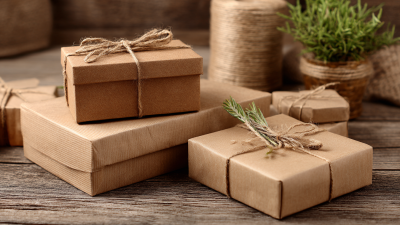
Top 10 Eco Packaging Solutions for a Sustainable Future
In an era where environmental sustainability has become paramount, the packaging industry is undergoing a significant transformation towards more responsible practices. Eco packaging solutions are at the forefront of this movement, presenting innovative alternatives that aim to reduce waste and minimize ecological impact. As consumers grow increasingly conscious of their purchasing decisions, brands are challenged to adopt packaging methods that not only protect their products but also reflect a commitment to the planet.
In this article, we will explore the top 10 eco packaging solutions that not only promote sustainability but also enhance brand value. From biodegradable materials to innovative designs that utilize minimal resources, these solutions exemplify how the industry is evolving to meet the demands of a green-conscious market. Whether you are a business owner looking to overhaul your packaging strategy or a mindful consumer curious about eco-friendly choices, this guide will provide useful tips and insights into the world of eco packaging and its vital role in fostering a sustainable future.
Innovative Biodegradable Materials Revolutionizing Eco Packaging
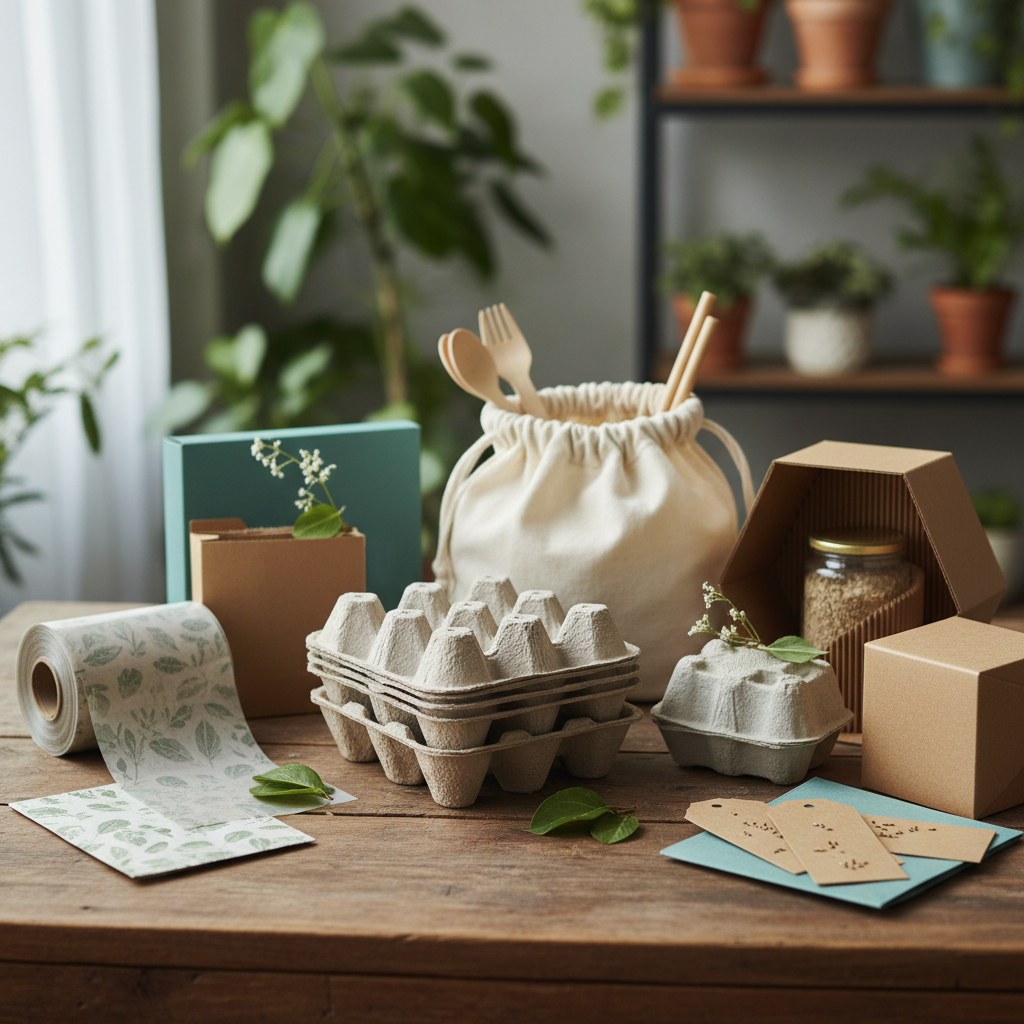
The shift towards sustainable practices has led to the emergence of innovative biodegradable materials that are revolutionizing the eco packaging industry. These materials, derived from natural resources like cornstarch, mushroom mycelium, and seaweed, are designed to break down more quickly and safely than traditional plastics. Companies are increasingly adopting these alternatives to meet consumer demands for environmentally responsible products and to reduce plastic pollution.
In addition to being biodegradable, many of these new materials offer impressive functional properties. For instance, mushroom-based packaging can be molded into various shapes, providing excellent cushioning and protection for goods during transportation. On the other hand, packaging made from seaweed not only dissolves in water but also provides nutrients to the environment as it decomposes. These innovative solutions not only mitigate the ecological impact but also inspire a circular economy where materials are reused and repurposed, thus paving the way for a truly sustainable future in packaging.
The Role of Plant-Based Plastics in Sustainable Packaging Solutions
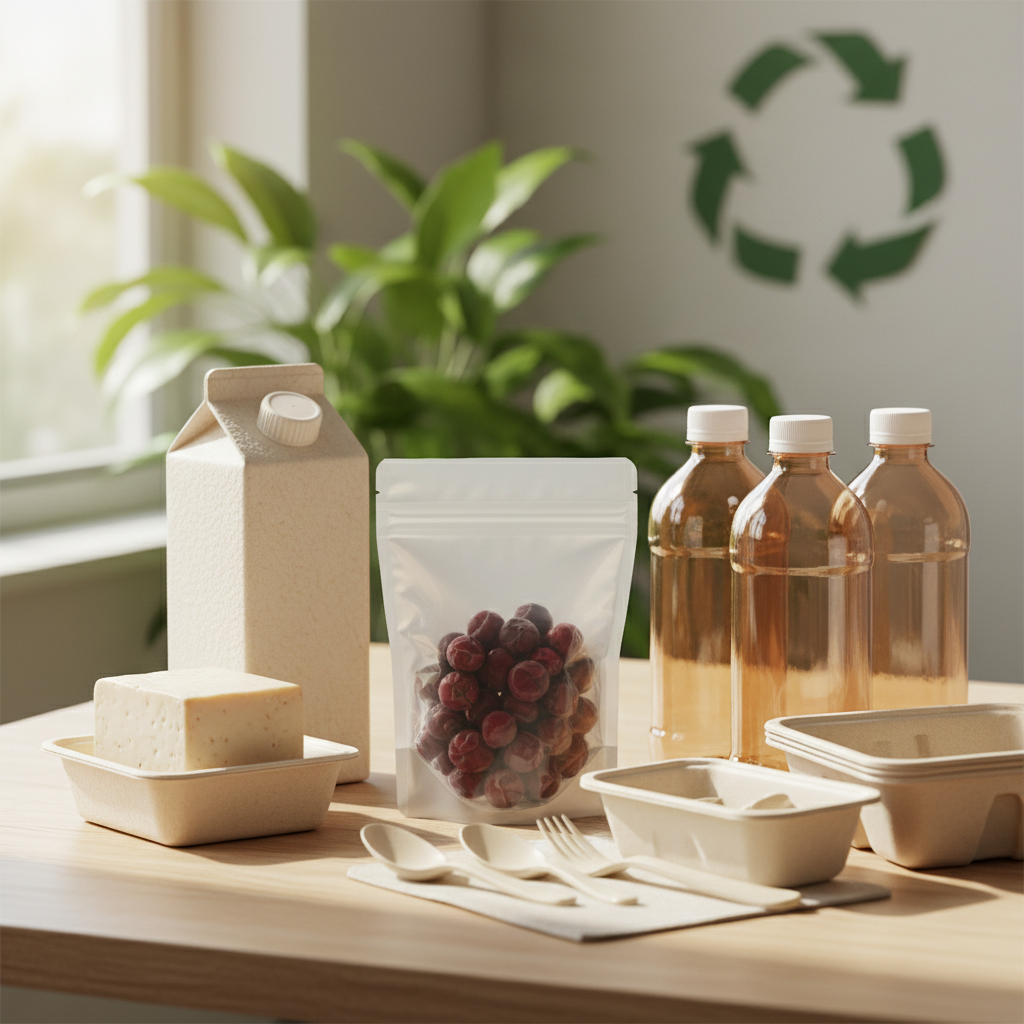
As the world increasingly shifts towards sustainability, plant-based plastics are at the forefront of eco-friendly packaging solutions. These innovative materials, derived from renewable resources such as corn starch, sugarcane, and cassava, offer a promising alternative to traditional petroleum-based plastics. By utilizing plant-based plastics, companies not only reduce their carbon footprint but also contribute to a circular economy, where materials can be reused and recycled more efficiently.
Tips for incorporating plant-based plastics:
- Research suppliers that offer certified plant-based plastics to ensure your materials are genuinely sustainable.
- Educate your team about the benefits and properties of plant-based plastics to encourage full adoption in packaging processes.
- Explore various applications of plant-based plastics, from bags to containers, to find the most effective uses in your packaging strategy.
The shift to plant-based plastics doesn’t just help the environment; it also appeals to conscious consumers who prefer brands that prioritize sustainability. As more businesses adopt these eco-friendly options, the demand for innovative and effective packaging solutions will only grow, paving the way for a more sustainable future.
Emerging Technologies: How 3D Printing Enhances Eco-Friendly Packaging
As the packaging industry seeks sustainable alternatives to traditional plastics, 3D printing is emerging as a game-changing technology. Recent reports indicate that the global 3D-printed packaging market is experiencing rapid growth, providing new avenues for both established and emerging players. This surge is attributed to the technology's ability to offer cost reductions, customization, and production agility, vital for addressing the demands of modern consumers who prioritize eco-friendly solutions. The flexibility inherent in 3D printing allows manufacturers to produce complex designs on-demand, thereby minimizing waste and reducing the carbon footprint associated with mass production.
Innovations in 3D printing are critical in the development of biodegradable materials. As industries turn to biodegradable plastics, they are increasingly integrating 3D printing to optimize the design and production processes. Studies indicate that enhanced 3D food printing techniques are paving the way for sustainable food packaging solutions, which align with the pressing need to tackle plastic pollution. By leveraging these technologies, companies not only improve packaging efficiency but also contribute to broader sustainability goals, marking a pivotal shift in how products are packaged and delivered to consumers.
Top 10 Eco Packaging Solutions for a Sustainable Future
| Eco Packaging Solution | Material Type | Innovation Aspect | Sustainability Impact | 3D Printing Application |
|---|---|---|---|---|
| Biodegradable Plastics | PLA, PHA | Innovative bio-polymer development | Reduces landfill waste | Custom biodegradable items |
| Recycled Cardboard | Corrugated cardboard | Resource-efficient production | Promotes recycling | Custom shapes and sizes |
| Mushroom Packaging | Mycelium | Natural material growth | Compostable and sustainable | Complex forms and designs |
| Plant-Based Films | Cellulose, Starch | Biopolymer technology | Biodegradable packaging solutions | Customized barrier properties |
| Edible Packaging | Food-safe materials | Consumption-friendly | Zero waste concept | Unique shapes and flavors |
| Reusable Packaging | Various materials | Durability and longevity | Reduces need for single-use | Adaptable designs for reuse |
| Compostable Plastics | Starch-based materials | Natural decomposition | Environmentally friendly disposal | Customization for various uses |
| Recycled Ocean Plastics | Post-consumer recycled plastics | Ocean clean-up efforts | Support marine conservation | Unique design features |
| Zero Waste Packaging | Various eco materials | Full lifecycle approach | Minimal environmental impact | Prototyping and design |
Recyclable and Compostable: The Best Packaging Choices for Businesses
As businesses increasingly prioritize sustainability, choosing the right packaging materials has become essential. Recyclable and compostable options not only minimize environmental impact but also resonate with eco-conscious consumers. According to a 2021 report by McKinsey & Company, 60% of consumers are willing to pay more for sustainable packaging, highlighting the shifting demand in the marketplace. Furthermore, the global sustainable packaging market is projected to reach $500 billion by 2027, indicating a significant trend towards eco-friendly solutions.
Among the top eco packaging solutions, materials such as plant-based bioplastics and recycled paper products stand out. The Ellen MacArthur Foundation emphasizes that moving towards a circular economy involves not just using recyclable materials but also designing products for end-of-life recyclability. Compostable packaging, made from natural materials like cornstarch or sugarcane, can decompose within a few months, during which time they enrich the soil. A study from Smithers Pira found that the biodegradable packaging market is expected to grow by 14% annually over the next five years, showing a clear path towards a more sustainable future for businesses willing to adapt their packaging strategies.
Top 10 Eco Packaging Solutions for a Sustainable Future
This chart illustrates the popularity and effectiveness of various eco-friendly packaging solutions adopted by businesses. The data represents the estimated percentage of businesses that utilize these packaging solutions based on recent surveys.
Consumer Awareness: The Impact of Eco Packaging on Buying Decisions
As consumers grow more conscious of environmental issues, eco packaging has increasingly become a crucial factor influencing their purchasing decisions. A recent study highlights that 60.9% of global consumers identify high costs as a significant barrier to sustainable consumption, emphasizing the need for economically viable eco-friendly options. This detail is essential, as the adoption of environmentally friendly packaging materials can significantly alter consumer behavior and increase purchase intentions.
Moreover, research shows that the recyclability of packaging claims holds substantial sway over buyer choices, with recyclability cited as a primary factor in consumer purchasing decisions. In line with this trend, the demand for sustainable packaging solutions is on the rise globally, reflecting a preference for products that prioritize recyclability and minimalistic designs. Understanding these consumer preferences is vital for brands looking to align their packaging strategies with the growing shift towards sustainability, as health consciousness and environmental awareness increasingly drive consumer engagement with green-packaged products.
Related Posts
-
Unlocking Sustainable Solutions A Comprehensive Guide to Best Eco Packaging Practices
-
The Future of Recycled Packaging Innovations Transforming Sustainability Efforts
-
The Future of Eco-Friendly Packaging Labels Revolutionizing Sustainability in the Industry
-
Revolutionizing E-commerce: How Sustainable Packaging Can Cut Your Carbon Footprint by 30%
-
How to Choose the Best Eco Friendly Food Packaging for Your Business
-
How to Transition Your Business to Earth Friendly Packaging Practices