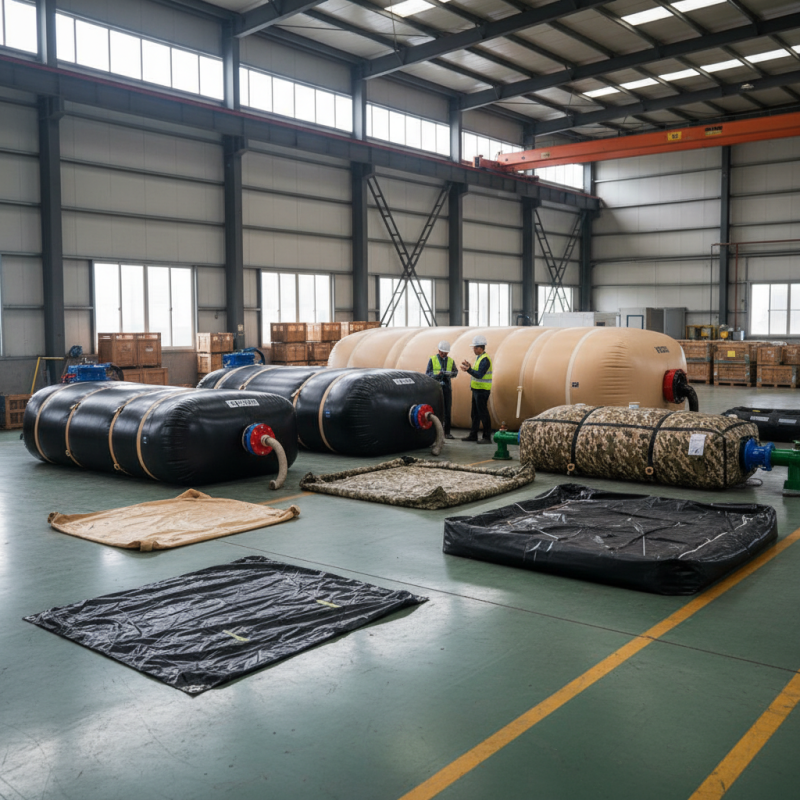
How to Choose the Right Oil Storage Bladder for Your Needs?
When it comes to selecting an Oil Storage Bladder, the choices can be overwhelming. Factors such as size, material, and intended use all play a crucial role. Understanding your specific needs is essential to make an informed decision.
Oil Storage Bladders are designed for various applications, from industrial storage to environmental protection. Each bladder differs in its construction and capabilities. It is vital to choose one that suits both your capacity requirements and environmental considerations.
Yet, not all options are equally reliable. Some products may not withstand harsh conditions, leading to leaks or failures. Experience shows that proper research can prevent costly mistakes. Take time to weigh all aspects before making this important investment.
Factors Influencing the Selection of Oil Storage Bladders
When selecting the right oil storage bladder, several key factors come into play. Understanding the specifics of your storage requirements is crucial. The capacity of the bladder should align with the volume of oil you intend to store. Industry reports indicate that approximately 50% of storage failures stem from underestimating capacity needs. Always foresee future expansions or changes in storage requirements.
Material choice plays a vital role as well. Different materials resist specific environmental factors better than others. For example, a bladder made of reinforced polyethylene provides better durability in extreme temperatures. Quality reports suggest that bladders made with higher tensile strength materials reduce the risk of leaks by up to 30%.
Tip: Evaluate the environment where the bladder will be placed. If it faces harsh conditions, a thicker, UV-resistant material may be necessary.
Another factor to consider is the bladder's portability. Some operations require easy transportation or movement of the bladder. In this case, lighter materials can be beneficial. However, compromises on material strength might occur, which is a fine balance to maintain.
Tip: Always consult industry guidelines on the weights and measures for portable bladders. This could prevent mishaps during transportation.
As you make your choice, gather insights from professionals in the field. Their experience can often highlight considerations that might otherwise be overlooked.
How to Choose the Right Oil Storage Bladder for Your Needs? - Factors Influencing the Selection of Oil Storage Bladders
| Factor | Description | Importance Level | Recommended Material |
| Capacity | Choose based on the volume of oil to be stored. | High | Polyethylene, PVC |
| Environmental Conditions | Consider temperature and weather impacts. | Medium | Reinforced fabric |
| Regulatory Compliance | Ensure compliance with local regulations. | High | Check local guidelines |
| Portability | Assess how easily the bladder can be moved. | Medium | Lightweight materials |
| Durability | Look for strength against punctures and leaks. | High | High-grade synthetic materials |
| Cost | Evaluate budget constraints. | Medium | N/A |
Types of Oil Storage Bladders and Their Applications
When selecting an oil storage bladder, understanding the different types is crucial. There are several options available, each designed for specific applications. For instance, collapsible bladders are great for temporary storage needs. They can be easily transported and set up. These bladders are made from flexible materials that allow them to flatten when empty, saving space.
Another popular choice is the static bladder. These are built for long-term storage projects. They offer durability and resistance to various environmental factors. Often, they are used in industrial settings where oil must be stored safely for extended periods. The material is thick and reinforced, providing added protection against leaks.
It’s important to assess your individual requirements before making a decision. Not all bladders will fit every need. Consider the volume of oil you need to store and the surrounding conditions. Moreover, evaluate the potential for spills or environmental impact. These factors can significantly influence your choice. Understanding these elements can lead to a more informed decision, ensuring safety and efficiency in storage.
Understanding Material Specifications for Durability and Safety
When selecting an oil storage bladder, material specifications play a crucial role in ensuring safety and durability. The right choice can prevent costly leaks and spills. Data from the American Petroleum Institute indicates that nearly 50% of oil storage failures stem from inadequate material strength. Bladders constructed from high-density polyethylene (HDPE) or reinforced polyurethane tend to offer superior puncture resistance and UV stability.
Understanding the environmental conditions where the bladder will be used is essential. For example, extreme temperatures can affect material integrity. A study by the Environmental Protection Agency found that bladders exposed to high heat can lose up to 35% of their strength. Hence, opt for materials specifically rated for temperature fluctuations. Additionally, the bladder should have chemical compatibility with the stored oil. This consideration is critical. Failing to address this can lead to chemical reactions that compromise safety.
Cost should not be the main deciding factor when choosing materials. Cheaper options may initially seem appealing, but they can lead to greater expenses over time due to failures. The lifespan of high-quality materials can exceed 10 years compared to just 2-3 years for lower-grade bladders. Investing in durable materials is critical for long-term safety and reliability. Ultimately, careful selection based on material specifications can make all the difference.
Capacity Requirements: How Much Oil Do You Need to Store?
When considering how much oil to store, capacity requirements are crucial. Assessing your needs begins with understanding your usage patterns. Do you have regular operations that consume a set amount of oil weekly? Or do you anticipate seasonal spikes in usage? Based on this, calculate the volume required. This will guide you toward the right bladder capacity.
Next, think about the environment where the bladder will be located. Will it be exposed to extreme temperatures? This can impact the oil’s viscosity. Proper insulation or ventilation might be necessary. Also, reflect on the available space for storage. If you have limited room, a smaller bladder may be more appropriate, even if it means more frequent refills.
Remember, flexibility is important. Overcommitting to a large bladder can be wasteful if your needs fluctuate. It may be wise to start smaller and scale up as necessary. Always prioritize safety in your storage solutions. Ensure that the bladder has the right pressure rating for your anticipated needs. A little foresight can prevent costly mistakes down the line.
Industry Standards and Regulations for Oil Storage Solutions
When selecting an oil storage bladder, it is essential to consider industry standards and regulations. These guidelines ensure safety and environmental protection. Regulatory bodies often dictate the materials and construction methods required for storage solutions. Compliance helps avoid hefty fines and minimizes risks.
Understanding spill containment measures is crucial. Many regulations specify secondary containment systems to prevent leaks. Without these measures, spills can lead to costly cleanup efforts and damage to natural resources. Operators should keep abreast of local and federal regulations. Unforeseen compliance issues can disrupt operations.
Choosing the right bladder requires a careful assessment of these standards. Inspectors may examine storage facilities for adherence to safety norms. The consequences of neglecting these details can be severe. Addressing potential gaps in compliance is vital for any operation. Regular training and reviews can aid in maintaining regulatory alignment.