Why Choose New Label Materials for Your Business Needs?
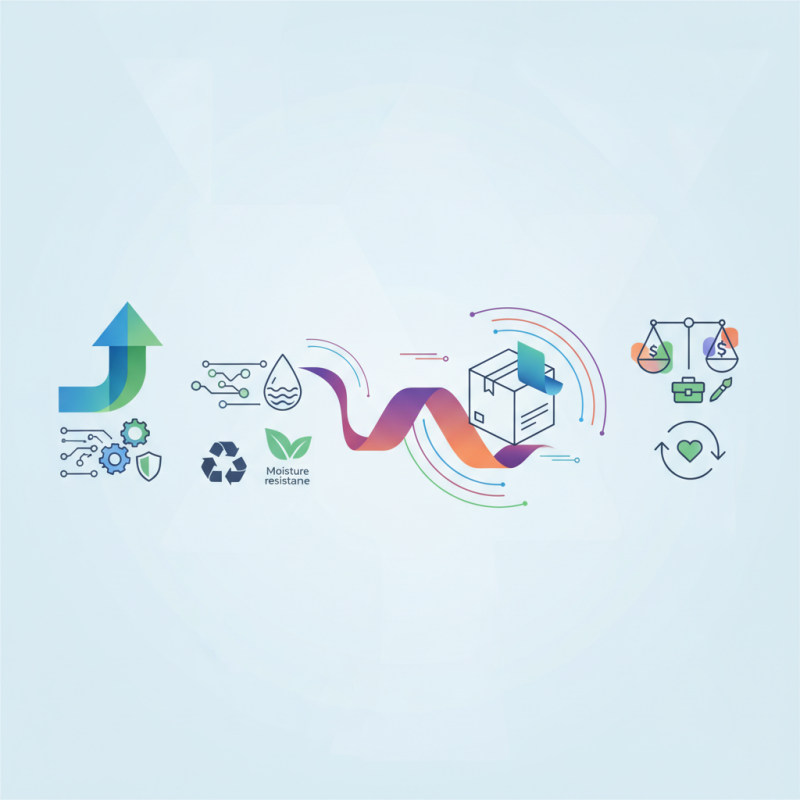
In today's competitive landscape, selecting the right materials is crucial for business success. "New Label Materials" are transforming how companies approach branding and product identification. These materials offer advanced features like durability, moisture resistance, and eco-friendliness.
Businesses often underestimate the impact of label materials on their brand's image. Choosing outdated options can hinder visibility and customer engagement. By integrating innovative label solutions, companies can effectively communicate their values and enhance customer experiences.
The shift toward "New Label Materials" comes with challenges. Not all options are suitable for every product. Evaluating the cost, functionality, and design is essential. Companies must invest time in testing and refining their label choices. This reflection can lead to better decision-making and ultimately boost brand loyalty.
Understanding New Label Materials: An Overview
When selecting label materials, it's crucial to understand the latest innovations available. New label materials offer better durability and versatility. They can withstand harsh environments and ensure product integrity. For instance, materials like polypropylene are resistant to moisture, making them ideal for cold storage. Labels that hold up in extreme temperatures can be a game changer for many businesses.
The choice of label materials impacts branding and logistics. A well-designed label can enhance brand recognition. Some fabrics even allow for unique finishes that catch the eye. However, not all options are eco-friendly. We face challenges in finding sustainable materials. Balancing durability with environmental responsibility is an ongoing concern.
Quality control is another critical factor. Ensuring that labels adhere properly is essential for operational efficiency. Poor adhesion can lead to labels peeling off, which results in lost information. Companies must test materials thoroughly. It’s a process that requires time and attention. Understanding the benefits and limitations of new label materials can lead to better decisions for your branding and operational needs.
Comparison of Different Label Materials' Usage in Businesses
Key Advantages of Modern Label Materials for Businesses
Modern label materials offer significant advantages for businesses looking to enhance their branding and efficiency. According to a 2022 report by the Pressure Sensitive Tape Council, over 70% of companies that switched to new label materials noted improved print quality and durability. This shift often leads to reduced shipping costs due to lighter materials. As businesses strive for sustainability, eco-friendly materials are becoming a priority. A 2023 survey found that 65% of consumers prefer brands using sustainable labels, influencing purchasing decisions.
Using advanced label materials can also enhance customer engagement. Eye-catching designs are more effective. Labels that withstand moisture, heat, and wear ensure the message remains clear throughout the product's lifecycle. However, transitioning to modern materials requires thoughtful consideration. Businesses may need to analyze cost implications and consumer feedback during the shift. A minor error in material selection can lead to increased waste and lower consumer trust.
Flexibility and customization are essential. Last-minute changes to designs or text should be easy to implement. The right materials enable speed without sacrificing quality. Organizations that embrace this innovation can capture more market share, yet they must remain vigilant. Continuous evaluation of material performance and feedback is vital to succeed in a competitive landscape.
Comparative Analysis: Traditional vs. New Label Materials
When comparing traditional and new label materials, several critical factors emerge. Traditional labels often rely on paper and basic adhesives. While they serve their purpose, durability can be an issue. These labels may tear easily or fade over time, particularly in challenging environments. Many businesses find these limitations frustrating, leading them to seek alternatives.
In contrast, new label materials offer advanced features. Synthetic options, for example, are often waterproof and more resistant to abrasion. This quality is essential for industries like food and pharmaceuticals, where product integrity matters. However, transitioning to these materials can pose challenges. The initial costs might be higher, and companies must consider the environmental impact.
Innovative labels often come with enhanced printing capabilities. They can include QR codes or RFID for better tracking. These features streamline operations but require staff training for effective use. Businesses must weigh these pros and cons carefully. Embracing new materials can drive efficiency, yet it also demands a thoughtful approach to implement successfully.
Applications of Innovative Label Materials in Various Industries
Innovative label materials play a vital role across various industries. In logistics, durable labels withstand heavy handling and environmental factors. According to industry reports, over 30% of shipping delays are linked to label failure. A resilient label ensures packages arrive on time, reducing operational costs.
In the food industry, labels must comply with stringent regulations. They provide essential information, like nutritional content and allergen warnings. Research shows that clear labeling can influence 70% of consumer purchase decisions. This underscores the need for high-quality materials that resist moisture and fading.
The healthcare sector also relies on advanced labels to ensure safety and traceability. Labels on medical devices and pharmaceuticals must withstand sterilization processes. A recent study highlights that poor labeling is a significant factor in medication errors. This emphasizes the importance of choosing the right materials for accurate information delivery.
Cost-Effectiveness and Environmental Impact of New Labels
In today’s business ecosystem, choosing new label materials can be a game-changer. These materials offer significant cost-effectiveness while also addressing environmental concerns. Businesses are increasingly looking for ways to reduce waste and improve their sustainability practices. By shifting to eco-friendly label options, companies can lower their carbon footprint and appeal to more environmentally conscious consumers.
One important tip is to evaluate the lifecycle of label materials. Opt for materials that are biodegradable or recyclable. This not only helps the environment but can also reduce disposal costs. Businesses may find that eco-friendly labels often come with incentives or cost benefits in waste management. It's essential to think about the long-term impact of material choices on both finances and the planet.
Another consideration is performance. New label materials may not always perform better; it’s crucial to test these labels under real conditions. Some materials may be durable but costly. Others may save money but lack durability. Striking the right balance is key. Always ask for samples and conduct trials to ensure that you’re making a well-informed decision that aligns with your business needs and values.