How to Choose the Right Square Bucket for Your Needs?
When selecting the right square bucket, understanding your specific needs is essential. Square buckets are versatile tools used in various settings, from cleaning to gardening. Their shape provides efficient storage and stacking capabilities, making them a popular choice for both professionals and DIY enthusiasts.
Consider the material of the square bucket. Some are made of durable plastic, while others are metal or fiberglass. Each material has its strengths and weaknesses. For example, metal buckets resist wear but can rust. Plastic buckets are lightweight but might not withstand heavy loads. Reflecting on where and how you plan to use the square bucket can help narrow your options.
Also, evaluate the size. Square buckets come in different dimensions, impacting their capacity. A smaller bucket is easier to handle but requires more trips. A larger one holds more but can be cumbersome. Identifying the right balance between size and weight is crucial for practical use. Remember, the perfect square bucket is one that meets your needs while being reliable and functional.
Understanding the Different Types of Square Buckets Available
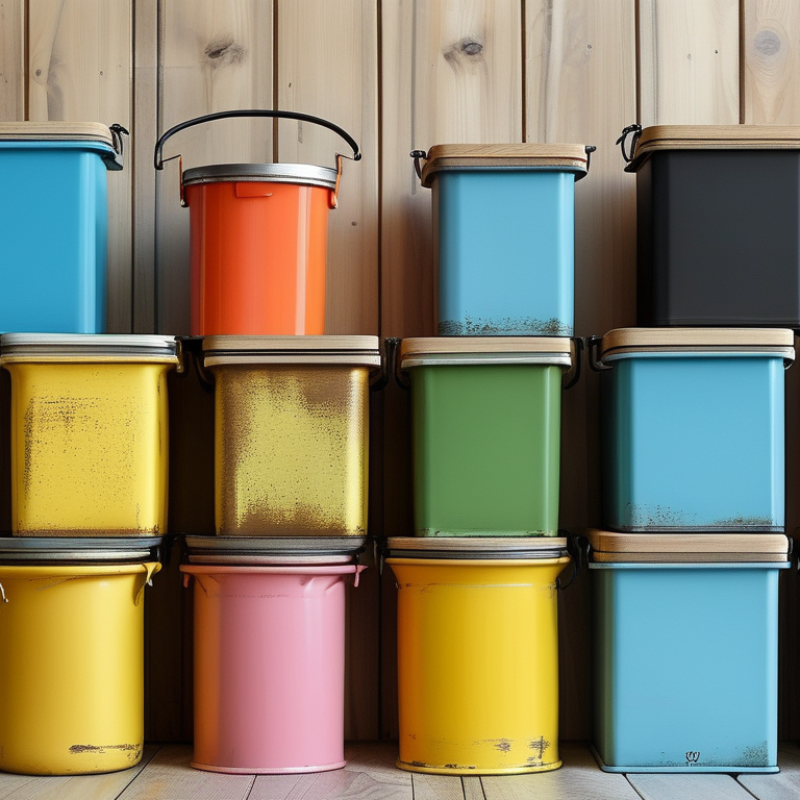
When selecting a square bucket, understanding the types available is crucial. There are various designs, materials, and sizes to consider. For instance, plastic buckets are lightweight and resistant to corrosion, making them ideal for indoor use. Meanwhile, metal buckets offer durability, suitable for heavy-duty tasks, despite being heavier.
Reports indicate that the global square bucket market is experiencing steady growth. Data from industry analyses show an annual growth rate of about 4.5%. This growth is driven by increased demand in sectors like construction and agriculture. These sectors frequently require durability and resistance to weathering.
However, not every bucket suits every need. Some workers find large buckets cumbersome for small tasks. Other users might encounter issues with lids not sealing properly. It is essential to assess the specific tasks and environments where a bucket will be used. The right choice hinges on balancing durability with practicality, ensuring the bucket meets real-world demands.
How to Choose the Right Square Bucket for Your Needs? - Understanding the Different Types of Square Buckets Available
| Bucket Type | Material | Capacity (Liters) | Weight (kg) | Usage |
| Standard Square Bucket | Plastic | 10 | 1.2 | General Purpose |
| Heavy-Duty Square Bucket | Metal | 20 | 3.5 | Industrial Use |
| Collapsible Square Bucket | Silicone | 5 | 0.5 | Travel/Portable |
| Food Grade Square Bucket | Polypropylene | 15 | 1.8 | Food Storage |
| Small Square Bucket | Plastic | 3 | 0.3 | Utility Cleaning |
Evaluating Material Choices for Durability and Functionality
When selecting a square bucket, material plays a crucial role. The most common choices include plastic, metal, and wood. Plastic buckets are lightweight and resistant to rust, making them ideal for various tasks. However, they may crack under extreme temperatures. Metal buckets, while more durable, can be heavy and prone to rust if not properly maintained. Wooden buckets offer a rustic charm but can absorb water and suffer structural issues over time.
Considering the intended use is vital for durability and functionality. For gardening, a robust plastic bucket may suffice. For heavy-duty tasks, like construction or demolition, opt for metal. The weight and transportability matter too. A lightweight option can ease fatigue during long tasks, while a sturdier model offers reliability under heavy loads.
Think about how you’ll clean the bucket. Some materials withstand scrubbing better than others. Consider occasional leaks or material fatigue over time. A bucket that appears perfect today may show wear sooner than expected. Thus, the right material should align with both immediate and future needs.
Assessing Size and Capacity Based on Your Specific Needs
Choosing the right square bucket requires careful consideration of size and capacity. Think about what you will use it for. A smaller bucket may suffice for simple tasks like cleaning smaller areas. In contrast, larger buckets can hold more liquid and are ideal for tasks like washing a car or mixing larger quantities.
Assess your specific needs to determine the ideal size. If you plan to transport materials, a lightweight bucket may be beneficial. However, if you require the bucket for heavy-duty tasks, opt for a more robust option. Also, consider the space where you’ll store the bucket. A larger bucket might be harder to store if you have limited space.
Many overlook how bucket size impacts usage. Too small of a bucket can lead to frequent refills, costing you time. Conversely, an oversized bucket may be cumbersome. Reflect on your routines and visualize how the bucket fits into your workflow. Finding a balance is key; without it, your purchase may not meet expectations.
Exploring Specialized Features for Enhanced Usability
Choosing the right square bucket involves more than just size and color. Many specialized features enhance usability and improve efficiency. One such feature is the measurement markings on the bucket’s interior. Knowing exact measurements helps portion materials accurately, reducing waste.
Consider the weight capacity as well. Some square buckets are lightweight, making them easy to handle, while others offer robust designs for heavy materials. A bucket with a reinforced base can prevent leaks and spills, which is crucial when transporting liquids.
Lastly, consider the ergonomic design. Handles that offer a comfortable grip allow for better maneuverability. Stability can also be a factor. A bucket with a wider bottom provides balance, especially when filled. Reflecting on these details can lead to better choices, ultimately saving time and effort in your tasks.
Considering Budget and Quality for Long-term Investment
Choosing the right square bucket is essential. A bucket isn’t just a container; it is an investment. Often, the decision comes down to budget versus quality. It can be tempting to go for the cheaper option, but will it last? Low-cost buckets may bend or break after a few uses. This could lead to more expenses in the long run.
Consider how you will use the bucket. If it's for heavy-duty tasks like construction, quality materials are crucial. Look for sturdy handles and durable plastic. It might be wise to invest a bit more upfront. Also, check reviews or seek advice from professionals. Their insights often reveal the durability of certain models. Keep in mind that not all recommendations suit your specific needs.
Budget cannot be ignored, though. Assess your financial situation before making a choice. Consider your long-term needs. Sometimes, spending a little extra could save you money in the future. Reflect on your priorities. Remember, selecting the right bucket is about finding that balance between cost and reliability. Making thoughtful decisions today can lead to better results tomorrow.
Choosing the Right Square Bucket: Quality vs. Budget
